How AI Voice Agents Reduce No-Show Rates Across Every Industry
August 5, 2026 • Fluent • 5 min
A dentist has booked a half hour of a root canal. The patient forgets for some reason and does not show up. The chair is empty, but the cost of rent per hour is the same; you get an empty seat and 35 misses. Imagine 50,000 no-shows every week per business thousands of times in a week across service industries.Most companies have tried things such as a reminder sticker on a desk, automated appointment confirmation emails, and common text reminders. But none of them has been enough to do so because neither the sticky notes nor the emails were as convincing as those offered by a call. The new and advanced technology in the shape of artificially intelligent voice representatives offers solutions that none of the existing technologies can solve.The post dives into the cause of no-shows, the method, and the solution of this technology, along with a discussion about a real industry-based use case where this type of technology is currently reducing customer no-shows by talking with actual people.
Why No-Shows Keep Happening?
No-shows aren't rare. Industry research puts the average no-show rate across service businesses at roughly 23%, climbing higher in certain fields. Healthcare averages close to 27%. Dental offices without a reminder system can see rates near 30%. Salons typically land around 20%. In the U.S. alone, missed medical appointments drain an estimated $150 billion out of the healthcare system every year.
Ask most people why they missed an appointment, and the answer isn't dramatic. It usually comes down to a handful of ordinary reasons:
- They simply forgot the date or time
- Something else came up and they didn't know how to reschedule
- The reminder they got felt easy to ignore
- They were nervous about the visit and quietly avoided it
- Life got busy, and the appointment slipped
Email reminders get buried under work messages and promotions. A text arrives, gets a glance, and gets forgotten within seconds. None of it demands attention the way a ringing phone does. This is precisely where AI voice agents reduce no-shows more effectively than anything that came before, because a voice on the line is much harder to tune out than another notification.
What Makes an AI Voice Agent Different?
An AI voice agent actually talks with a customer or patient over the phone, not just plays a recording. It sounds conversational, asks a real question, waits for an answer, and responds based on what it hears, much like a front-desk employee would on a busy morning.
In practice, one of these systems can:
- Call to confirm an appointment ahead of time
- Offer a new time slot right there on the call if the person can't make it
- Answer common questions about the visit
- Send a text summary once the call ends
- Update the business calendar automatically
Because the whole process runs on its own, staff aren't stuck making dozens of calls between other tasks. This is another reason AI voice agents reduce no-shows without piling more work onto an already busy front desk.
The Numbers Behind the Claim
Here's what the data actually shows. Voice AI rollouts in healthcare settings have produced no-show reductions between 18% and 35% within the first 90 days of use, based on deployment data from several digital health vendors. This is exactly the kind of evidence that proves AI voice agents reduce no-shows in practice, not just on paper.
One convincing study looked at more than 135,000 patient appointments across a primary healthcare network in the UAE. After AI-driven reminder calls were introduced, the no-show rate dropped from 20.82% to 10.25%, cutting missed visits roughly in half. That's a dataset large enough to trust.
A U.S. hospital system saw similarly strong results. Memorial Hospital at Gulfport reported almost $804,000 in added revenue over seven months after cutting its no-show rate by 28%, a pace that works out to over a million dollars a year.
A few reasons AI voice agents reduce no-shows so consistently:
- Calls land in the 48-to-72-hour window before an appointment, when confirmations are most effective
- The conversation feels two-way, not like a flat recording
- People can reschedule instantly, without waiting on hold
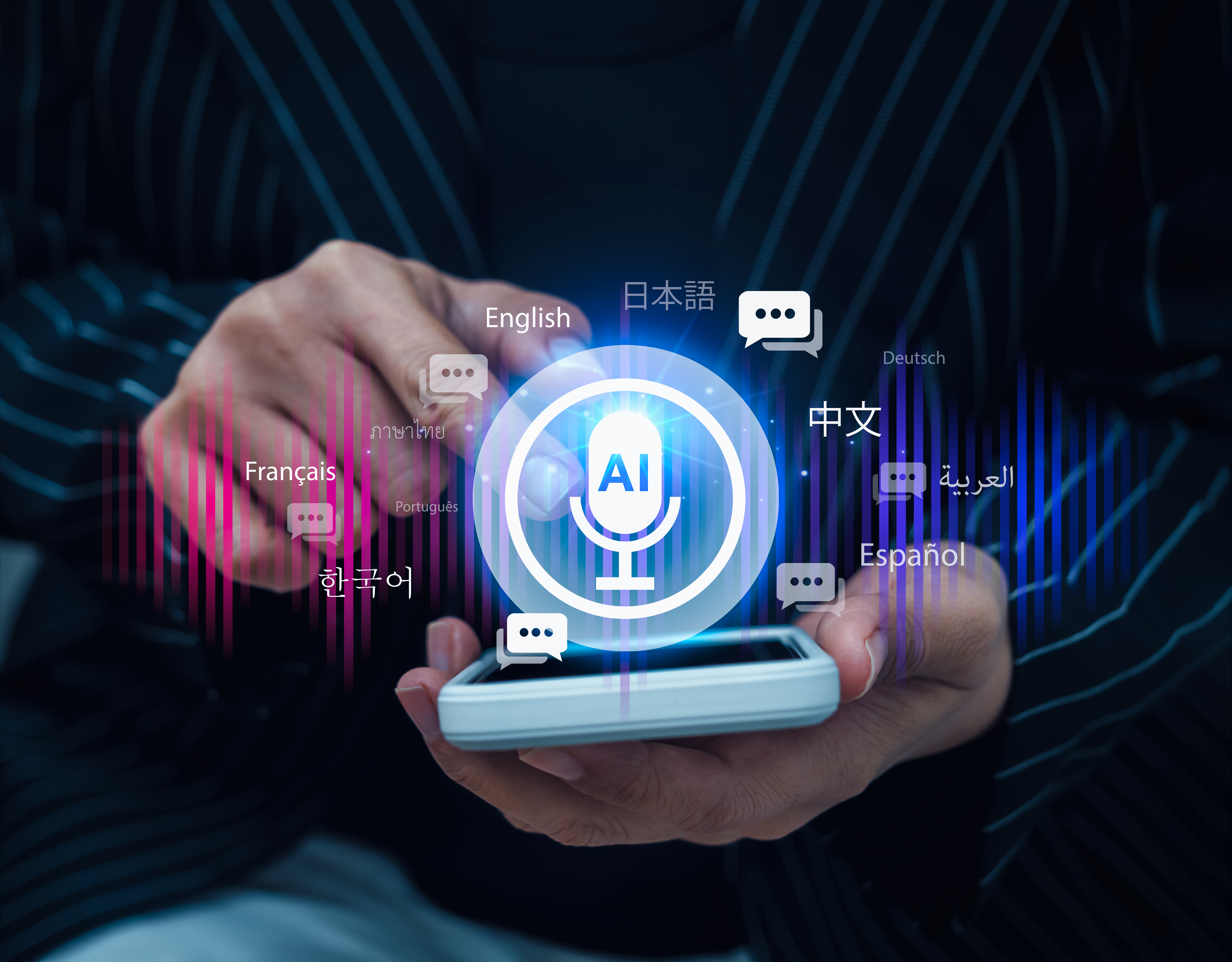
- Multilingual support cuts down on confusion-driven cancellations
- The system never forgets to call and never calls in sick
How the Reminder Calls Actually Work?
The mechanics are simpler than most people expect. The system connects to a business's booking calendar, then places a call at the ideal window before the visit. It confirms the appointment, asks whether anything has changed, and offers to reschedule on the spot if needed. If a slot opens up, it can pull the next name from a waitlist and fill the gap almost immediately.
This is a real step beyond old-school reminder systems. AI appointment reminder calls don't just deliver a message and hang up. They listen, adjust, and take action based on what the caller actually says.
Where is This Already Working?
This isn't limited to one type of business. All forms of appointment-based business see the same trend: AI voice agents are lowering the rate of no-shows, no matter what the appointment is for.
- Healthcare: Hospitals and clinics were early adopters of AI for appointment confirmation. Some health systems, using AI voice scheduling, have said they’ve seen as much as a 40% fall in their number of phone calls taken at the front desk, as well as a decrease in the number of people no-showing an appointment.
- Dental Office: Lack of anxiety among those seeking dental care is an often-overlooked cause of no-shows. AI voice scheduling agents reduce this because, rather than waiting for potentially the next day to be able to speak to someone at the dental practice with anxiety rising every minute the clock is ticking, patients simply hear the soothing voice of our voice agent and confirm at the moment it is fresh on their mind.
- Salons and Spas Salons and spas often carry the highest no-show rates of any appointment-based business, sometimes touching 30%. A short call the day before protects a stylist's income far better than an easily-ignored text.
- Gyms and Fitness Studios Members forget classes constantly, not out of disinterest, but because life gets in the way. A quick, timely call keeps class rosters full and members engaged.
- Legal and Financial Services A missed consultation is wasted billable time. Voice reminders help attorneys and advisors keep their calendars accurate without chasing clients themselves.
- Automotive Service Centers Repair shops depend on scheduled bays. A reminder call the day before a service appointment helps keep those bays full and technicians productive.
Across every one of these industries, businesses that reduce no-shows with AI calling end up with fewer empty slots, steadier cash flow, and staff who spend less time chasing people down.
Why Is the Business Case Hard to Ignore?
This is nice-to-have. It's a direct line to protected revenue:
- A primary care practice running 30 appointments a day with a 20% no-show rate can lose around $225,000 a year in unrealized revenue
- Automated reminders alone can cut no-shows by up to 50%
- AI-powered scheduling tools have cut no-show rates by 42%, outperforming manual reminder processes
- Staff spend far less time on repetitive reminder calls
- Cancelled slots get refilled from a waitlist within minutes instead of staying empty
Put simply, businesses that reduce no-shows with AI calling aren't just filling calendar gaps. They're protecting income that would otherwise vanish quietly, one appointment at a time.
Getting Started Doesn't Require a Big Leap
Setting this up doesn't demand a massive IT project. Most providers offer calendar integration, a short onboarding period, and dashboards that show results almost immediately. A clinic or salon can start with one location, watch the numbers move, and expand once the results speak for themselves.
The evidence points in the same direction no matter the industry. From hospital networks to neighborhood hair salons, AI voice agents reduce no-shows in a way that's measurable, fast to set up, and easy to justify. As more businesses catch on, this is turning from a nice experiment into standard practice.
The Bottom Line
No-shows aren't going away entirely. People will always forget things, and life will always get in the way. But the tools to fight back have gotten better. AI voice agents reduce no-shows by reaching people at the right moment, in a way that feels human. Add in well-timed AI appointment reminder calls, and businesses across every industry gain a real way to protect their schedules, revenue, and the relationships they've built with their customers.
For any business tired of watching empty slots eat into profit, the data makes the case on its own. AI voice agents reduce no-shows; the results are easy to track, and the payoff shows up fast.